The Architect of North Carolina’s Economic Revival
Thanks for joining us this Saturday morning. This year, we’ll be profiling business and political leaders who have an outsized, positive impact on North Carolina’s business climate.
***
Fifteen years ago, North Carolina stood on the brink of economic crisis. The state faced a $2.5 billion budget shortfall, which at the time represented more than 10% of the state budget – this even though North Carolina levied the highest income tax rates in the southeast.
With more than half-a-million North Carolinians unemployed, the state had the fifth-highest unemployment rate in the country. North Carolina owed billions to the federal government because its unemployment reserve was drained, and so too was the Rainy Day Fund.
To cope with the disaster, the legislature had to furlough teachers, freeze their pay, and hike tuition at UNC System institutions, among other severe measures.
Suffice to say, North Carolina looks much different today, and we’ll get into the specifics shortly.
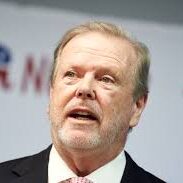
One throughline runs through the transformation: Senate Leader Phil Berger.
Yes, other elected officials left prominent marks on the state and deserve credit for the turnaround, and we’ll profile some of them in the future. But Berger – the longest-tenured currently serving legislative leader in the country – has been a constant.
His ironclad commitment to fiscal responsibility and pro-business policies has given fits to governors of both parties for the past 15 years. During his time leading the Republican caucus in the senate (including as minority leader), six different House speakers have held the gavel.
If a business leader looks around North Carolina and generally likes what he or she sees, it’s because Phil Berger had a hand in it.
What follows is an explanation of the core policies that Berger has championed in his time as leader.
***
By what principles did Berger lead North Carolina from the brink of catastrophe to the CNBC top-ranked state for business? A consistent state spending trajectory that adheres to population growth plus inflation; a tax rate that goes as low as possible without the special carveouts that pervert the federal system; and a policy environment that supports business growth rather than hinders it.
We’ll take each in turn.
In the years before Berger became Senate leader, state expenditures swung wildly according to how much revenue the state did (or didn’t) bring in. Spending figures commonly jumped or cratered by double-digits.
This roller coaster-style budgeting meant lawmakers spent just about every dollar they collected in the boom years, and then had to cut down to bone in the bust years.
The state’s savings reserve balance proves the point. In 2002, it contained $0. And even though state spending increased by between 4% and 10% every year thereafter, the savings reserve still had less than $800 million in it when the Great Recession hit – not nearly enough to cover budget shortfalls.
Because of that lack of fiscal discipline, North Carolina’s economy suffered more than it had to during the recession. Without much in reserves, lawmakers had no choice but to take extreme measures like furloughing teachers.
Since 2011, the state’s fiscal condition has turned around entirely. Double-digit swings in annual expenditures are now unheard of. Yearly changes have almost always been between just two and five percent – gentle and predictable, and closely aligned with population growth plus inflation.
The result has been budget surpluses for nine of the past 10 years (a COVID year being the only exception). Combined reserves, including the Rainy Day Fund, now total more than $7.5 billion.
With spending under control, Berger and his colleagues looked to reverse the tax hikes imposed during the 2000s – and then go lower still.
In 2010, North Carolina had among the highest personal income tax rates in the southeast, with a top effective bracket of 7.98%. Today, North Carolina’s 4.25% income tax rate is the lowest of states in the southeast that impose one. If the state hits revenue triggers in the coming years, the rate will go lower still to just 2.49%, and the corporate income tax rate is scheduled to hit 0% in 2030.
As ranked by the Tax Foundation, North Carolina’s business tax climate went from 44th in the country to 9th. In 2015, the Tax Foundation reported that North Carolina had the “single largest rank jump in the history of the index.”
As North Carolina got its fiscal house in order and tax rates came down precipitously, families and businesses from elsewhere in the country started to take notice. North Carolina has seen some of the largest population increases in the country over the past decade. In 2024, the state ranked second in the country in domestic migration, Axios reported.
The final pillar that defines Berger’s tenure – a pro-business environment – is something of a catch-all, and that’s by design. A wide swath of policies impact business competitiveness, from energy security to unemployment insurance to education. At each turn, Berger has championed policies that advance the state’s ability to attract employers.
Take education, for example. In the mid-2010s, Berger pushed for a new program called “NC Promise” that offered $500 tuition at three UNC System institutions. It would benefit both prospective students who otherwise couldn’t afford to attend college, and the institutions themselves as they struggled with enrollment growth.
Berger came under withering criticism, with some claiming he hatched a secret effort to undermine public education. But he didn’t cave. Today, those UNC System institutions credit the program with helping turn their schools around, and thousands of North Carolinians now have a degree because of it.
Berger presided, too, over a massive shift in how the state funds transportation projects. Gone are the days of powerful lawmakers prioritizing their own pet projects over the state’s real transportation needs. Instead, the “Strategic Transportation Investments” program shifted decision making to a data-driven method that prioritized true needs and impact over political influence.
Or consider energy policy, one of the most important determinants of where manufacturers choose to locate. For years, Berger and his allies have championed an all-of-the-above energy mix that prizes affordability and reliability.
Just this week, the Senate advanced Berger-sponsored legislation to loosen how utilities can reach the state’s 2050 carbon reduction goal. The policy allows more runway to, for example, build nuclear reactors – among the cleanest and most reliable sources of energy in existence.
The list could go on, as one should expect for a slate of policies that helped turn North Carolina from the brink of catastrophe just 15 years ago to the envy of many in the country today.
Though Sen. Berger’s track record of accomplishments is long, he’s faced his share of criticism from each political party. He has been primaried twice since 2002, and a challenger has re-emerged for 2026.
In recent years, North Carolina has earned accolades from CNBC as the top state for business; Site Selection Magazine as No. 1 business climate; Forbes as the No. 1 best state for business; Forbes again as the No. 1 best regulatory environment; and the Tax Foundation as the No. 1 lowest effective tax rate for new corporate headquarters.
Many hands had a role in North Carolina’s turnaround. But one man, Senate Leader Phil Berger, has been a constant and commanding presence throughout.
Recent Articles
How Wake Forest University Is Serving Those Who Served
Thank you for joining us this Saturday morning. It’s fair to assume that anybody who wore the uniform of one of America’s military branches would qualify as a “veteran” under the law. But that’s not what the law says: A less-than-honorable discharge can strip a former service member of all veteran benefits, including health care,…
The Political Center Is Getting Squeezed
Good Saturday morning and thank you for joining us. With a number of primaries completed (46 by our count) we’re taking a look at some of the political trends emerging from this year’s primary season, and what they may tell us about where both parties are headed. American politics has always had its factions. We think…
Amid a Turbulent Media Environment, TRC Nexus Stands Alone
From the Desk of Mike Rusher Thank you for joining us this Saturday morning. A week ago, the Nexus team sat down to review our performance for the year and get a better sense of which topics and stories are resonating most with C-suites across the state. The timing was good: our latest TRC Nexus…